

Best Time to Kitesurf Boracay: Amihan Season Guide
If you’re planning a kitesurfing trip to Boracay, timing your visit around the wind is the single biggest factor in how much water time you’ll get. Boracay’s kite season is driven by the Amihan, a steady northeast trade wind that turns Bulabog Beach into one of the most consistent kite spots in Asia. Here’s everything you need to know to plan your trip around it.
What Is the Amihan Season?
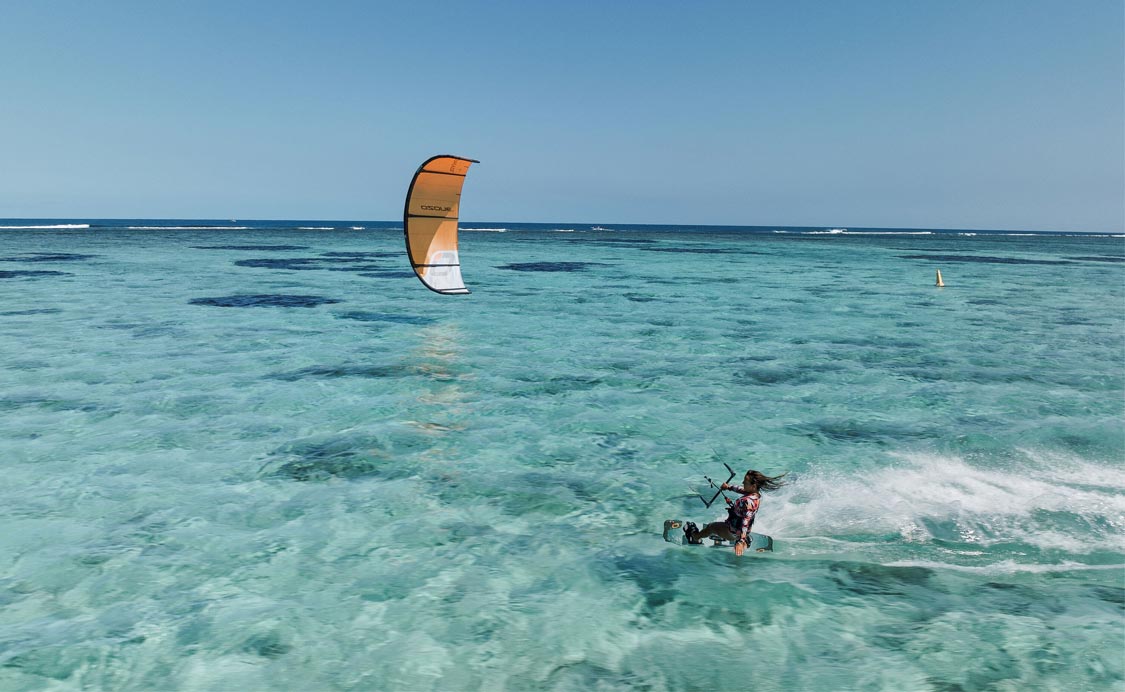
Amihan is the local name for the northeast monsoon that blows across the Philippines from roughly November through April. Unlike gusty, unpredictable wind systems, Amihan is a thermal-assisted trade wind — meaning it builds reliably through the day and holds steady, which is exactly what makes Bulabog Beach so beginner-friendly. Side-onshore wind direction and a shallow, flat-water lagoon give new riders a safe, forgiving space to learn, while the consistent strength keeps things fun for intermediate and advanced kiters too.
Month-by-Month Wind Guide
- November – Amihan starts kicking in; building, occasionally light days early in the month.
- December to February – Peak season. Most consistent wind of the year, averaging in the high teens to low 20-knot range most afternoons.
- March – Still strong and reliable, with slightly warmer air temps.
- April – Tail end of the season; wind remains good but becomes less consistent as the season transitions.
- May to October – The Habagat (southwest monsoon) takes over. Wind is less predictable on Bulabog during this period, with more rain, so it’s generally not recommended for a dedicated kitesurfing trip.
Best Time to Book a Lesson
If you’re learning from scratch, December through February gives you the most consistent conditions and the highest number of “on” days, which means less time waiting around and more time on the water. If your travel dates are flexible, this window will maximize the value of a multi-day course like our Beginner Level 1–3 package.
Traveling in November or April? You can absolutely still learn to kitesurf or wing foil — just build a couple of extra buffer days into your trip in case of a lighter wind day.
Why Boracay’s Amihan Season Is Ideal for Beginners
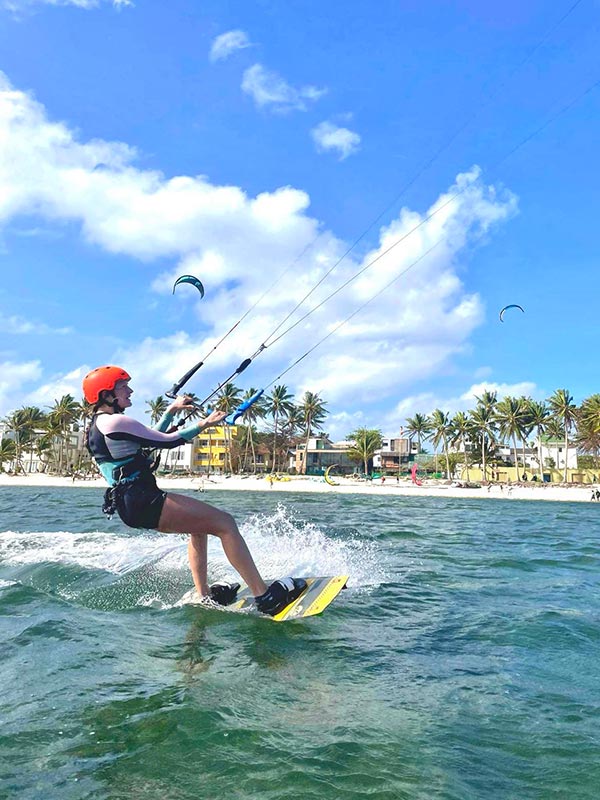
A few things come together during Amihan season that make Bulabog Beach one of the best places in the world to learn:
- Consistent side-onshore wind – forgiving for beginners and safer for water-relaunches
- Warm water year-round – no wetsuit needed, just boardshorts and sun protection
- Shallow lagoon – easy to stand, easy to self-rescue while you’re building confidence
- High wind reliability – fewer wasted “no wind” days compared to many other kite destinations
This is also why Boracay is consistently ranked among the best kitesurfing spots in Asia for both beginners and progressing riders.
Planning Your Trip
- Book lessons in advance during peak December–February months, as school schedules fill up quickly.
- Check out our Weather and Wind page for live/forecast conditions closer to your travel dates.
- New to the sport entirely? Start with Kitesurfing Lessons or, if you’d rather learn a slightly different discipline, our Wing Foiling Lessons.
- Need somewhere to stay near Bulabog Beach? See our accommodation guide.
FAQ
When is the windiest month in Boracay? December through February typically sees the most consistent, strongest wind of the Amihan season.
Can I kitesurf in Boracay outside of Amihan season? Wind is far less reliable from May to October during the Habagat monsoon.
Do I need a wetsuit to kitesurf in Boracay? No — water and air temperatures stay warm year-round, so boardshorts/rashguard and sun protection are all you need.
How many days should I plan for a beginner course? Most riders complete Levels 1–3 over 3-4 consecutive days of lessons, though this can vary with wind conditions and individual progress.
- Ready to book your kitesurfing or wing foiling holiday? Get in touch or book your lessons now.